Why Oral GLP-1 Drugs Could Change Diabetes Care
GLP-1 medications are currently the talk of the town. If you live with type 2 diabetes, you’ve probably heard a lot about these and for good reason. These medications have become increasingly popular because they can help lower blood sugar, support weight loss, and provide other health benefits.
The good news? Until recently, most GLP-1 medications were only available as injections. Now, oral GLP-1 medications are giving patients another option, and that could make diabetes care more accessible than ever.
💊 A Brief Recap: What Are GLP-1 Medications?
Your body naturally makes a hormone called GLP-1 after you eat. This hormone helps your body release insulin when blood sugar rises, slows digestion, and helps you feel full.
GLP-1 medications are designed to work like this natural hormone. If your healthcare provider recommends one, it may help you:
- Lower your blood sugar levels
- Feel full longer after meals
- Eat less throughout the day
- Support weight loss
- Improve certain heart and kidney health outcomes
Because of these benefits, GLP-1 medications have become an important tool in managing type 2 diabetes.
💊 You May Ask, ‘Why Do Some People Avoid GLP-1 Medications?’
Even though GLP-1 medications can be effective, not everyone feels comfortable starting an injectable medication.
If you’ve ever felt nervous about needles, worried about giving yourself a shot, or simply preferred a pill over an injection, you’re not alone. For many patients, the idea of adding an injectable medication to their routine can feel overwhelming.
That’s one reason oral GLP-1 medications are getting so much attention.
💊 So, What is an Oral GLP-1?
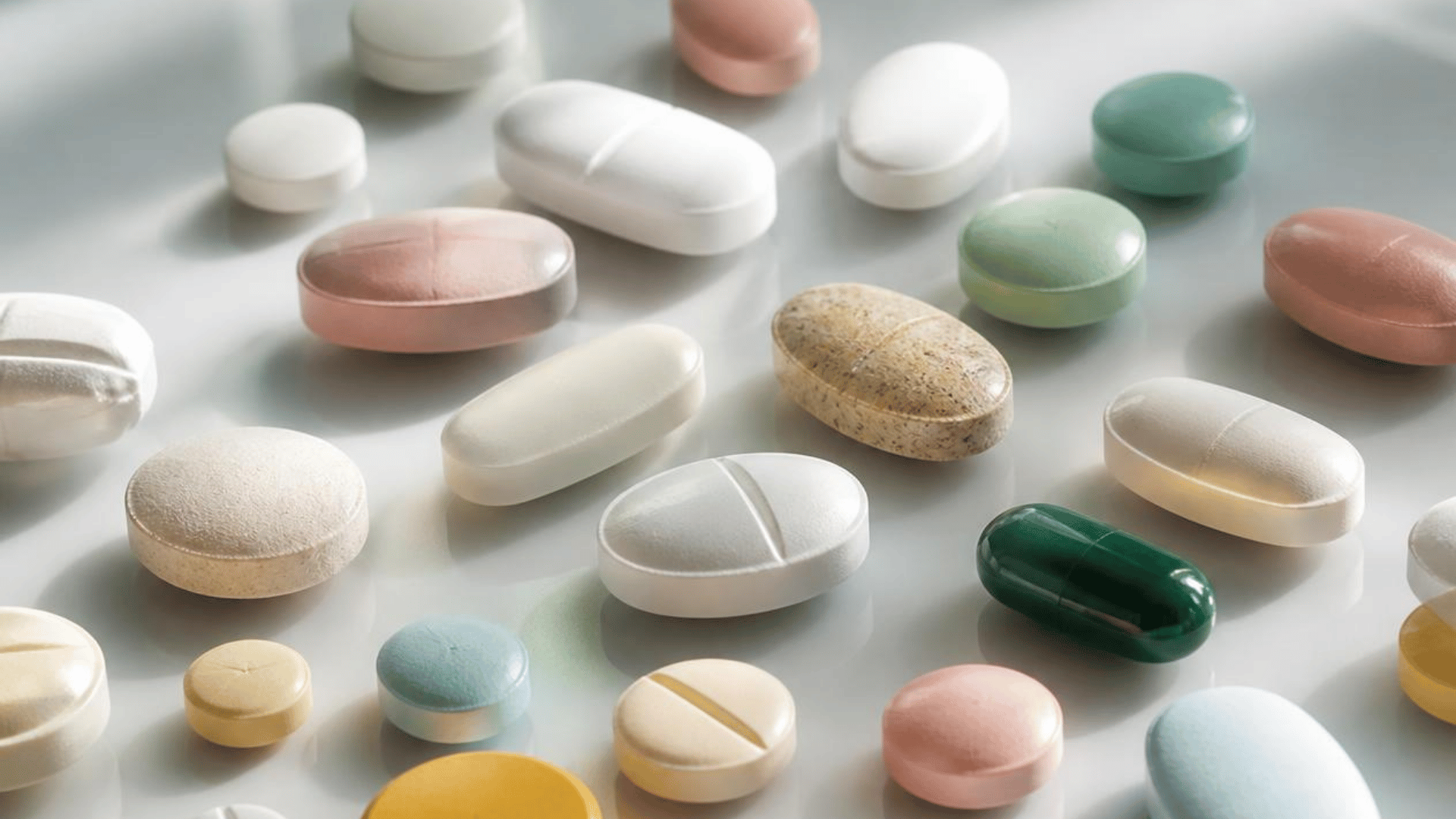
An oral GLP-1 is a tablet that allows you to receive the benefits of GLP-1 therapy without using an injection.
The first oral GLP-1 approved for type 2 diabetes was oral semaglutide. It works similarly to injectable GLP-1 medications and offers many of the same benefits.
Based on your healthcare provider’s instructions, instead of managing a shot, you may now take a pill. For some patients, this simple change can make treatment feel much easier to fit into everyday life.
💊 Why Could Oral GLP-1 Drugs Be the Next Big Deal?
1. They May Help More Patients Start GLP-1 Treatment
If fear of injections has kept you from considering a GLP-1 medication, an oral option may feel more approachable.
Having a pill available could encourage more people to talk with their healthcare providers about whether GLP-1 therapy is right for them.
2. They Can Fit More Easily Into Daily Life
Many people with diabetes already take medications in pill form each day. If that’s true for you, adding another tablet may feel more familiar than learning an injection routine.
When a treatment fits naturally into your day, it can be easier to stay consistent with it over time.
3. They Offer Strong Blood Sugar Benefits
Keeping blood sugar in your target range is one of the most important parts of diabetes management.
Studies have shown that oral semaglutide can help lower A1C levels, giving many people another effective option for improving blood sugar control.
4. They May Support Weight Management
If you’re trying to manage both diabetes and your weight, this is another area where GLP-1 medications may help.
These medications help you feel full longer and slow the movement of food through your stomach. As a result, you may feel satisfied with smaller portions and experience gradual weight loss over time.
5. They May Help Protect More Than Your Blood Sugar
When you think about diabetes care, blood sugar is probably the first thing that comes to mind. But your heart and kidneys matter too.
Current diabetes guidelines show certain GLP-1 medications may provide cardiovascular and kidney benefits for some people with type 2 diabetes. That’s why healthcare providers are increasingly looking at your overall health—not just your glucose numbers—when recommending treatments.
💊 Are Oral GLP-1 Medications Right for You?
Like any medication, oral GLP-1 drugs can cause side effects.
You may experience nausea, diarrhea, vomiting, or stomach discomfort, especially when you’re first starting treatment. These side effects often improve over time, but it’s important to discuss any concerns with your healthcare provider.
It’s also important to remember no single diabetes treatment works for everyone. The right medication depends on your health history, lifestyle, goals, and other medical needs.
That’s why talking with your diabetes care team is the best way to determine whether an oral GLP-1 medication may be a good fit for you.
💊 The Foreseeable Future of Oral GLP-1s
Diabetes care continues to evolve, and oral GLP-1 medications are a great example of that progress.
For some people, having a pill instead of an injection could remove a major barrier to treatment. More options mean more opportunities to find an approach that works for your life, your preferences, and your health goals.
When treatment feels easier to manage, staying on track with your diabetes care can feel a little easier, too.
Summary
If you’ve been interested in GLP-1 medications but hesitant about injections, oral GLP-1 drugs may offer another treatment option. These medications can help lower blood sugar, support weight management, and provide additional health benefits for some people. While they aren’t right for everyone, they may make effective diabetes treatment more accessible and easier to fit into your daily routine. Talking with your healthcare provider can help you decide whether an oral GLP-1 medication is right for you.