Myth or Fact: Can Herbals Mimic Ozempic or GLP-1s?
Just because something is natural does not always mean it works the same or that it is safer than a medication.
A lot of us are hearing about herbal supplements and foods promoted online as “natural GLP-1 alternatives.” But do these options really work like prescription medications such as Ozempic and Mounjaro? Let’s separate myths from facts.
What is GLP-1 and Why is Everyone Talking About it?
Many people hadn’t even heard of glucagon-like peptide 1 (GLP-1) until a few years ago, yet your body has been making it all along.
GLP-1 is a natural hormone made in the gut that is released after eating. Its job is to help control blood sugar and appetite. When GLP-1 is released, it signals the body to release insulin, which helps move glucose from the bloodstream into cells where it can be used for energy.
Prescription GLP-1 medications such as Ozempic, Wegovy, Mounjaro, and Zepbound mimic this hormone. They slow down digestion, reduce appetite, and help people feel full sooner. These effects can lead to improved blood sugar control and weight loss.
These medications have become game changers in diabetes and weight management. Because of their popularity, social media is now full of recipes and supplements claiming to act as “nature’s Ozempic.”
But not all claims are supported by science.
Fact: Food Naturally Triggers GLP-1
One important fact is that all food triggers GLP-1 release to some degree. Your body releases this hormone during meals to help signal fullness and prevent overeating.
However, this system doesn’t always work perfectly. Some people, especially those living with obesity, may not release as much GLP-1 after eating. That means feeling full may take longer, and hunger signals may return sooner.
Certain nutrients are especially helpful for increasing fullness and supporting the body’s natural appetite signals.
Examples include:
- Protein (lean meats, eggs, beans, Greek yogurt)
- Healthy fats (nuts, seeds, avocado, olive oil)
- Fiber (vegetables, fruits, whole grains, legumes)
Nutrients like these can slow digestion and help keep you satisfied longer. While helpful, their effects are still much smaller than prescription medications designed to target GLP-1 directly.
Myth: Herbals Work the Same as GLP-1 Medications
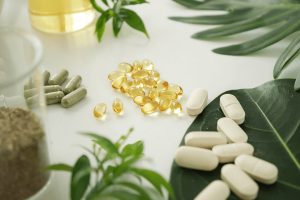
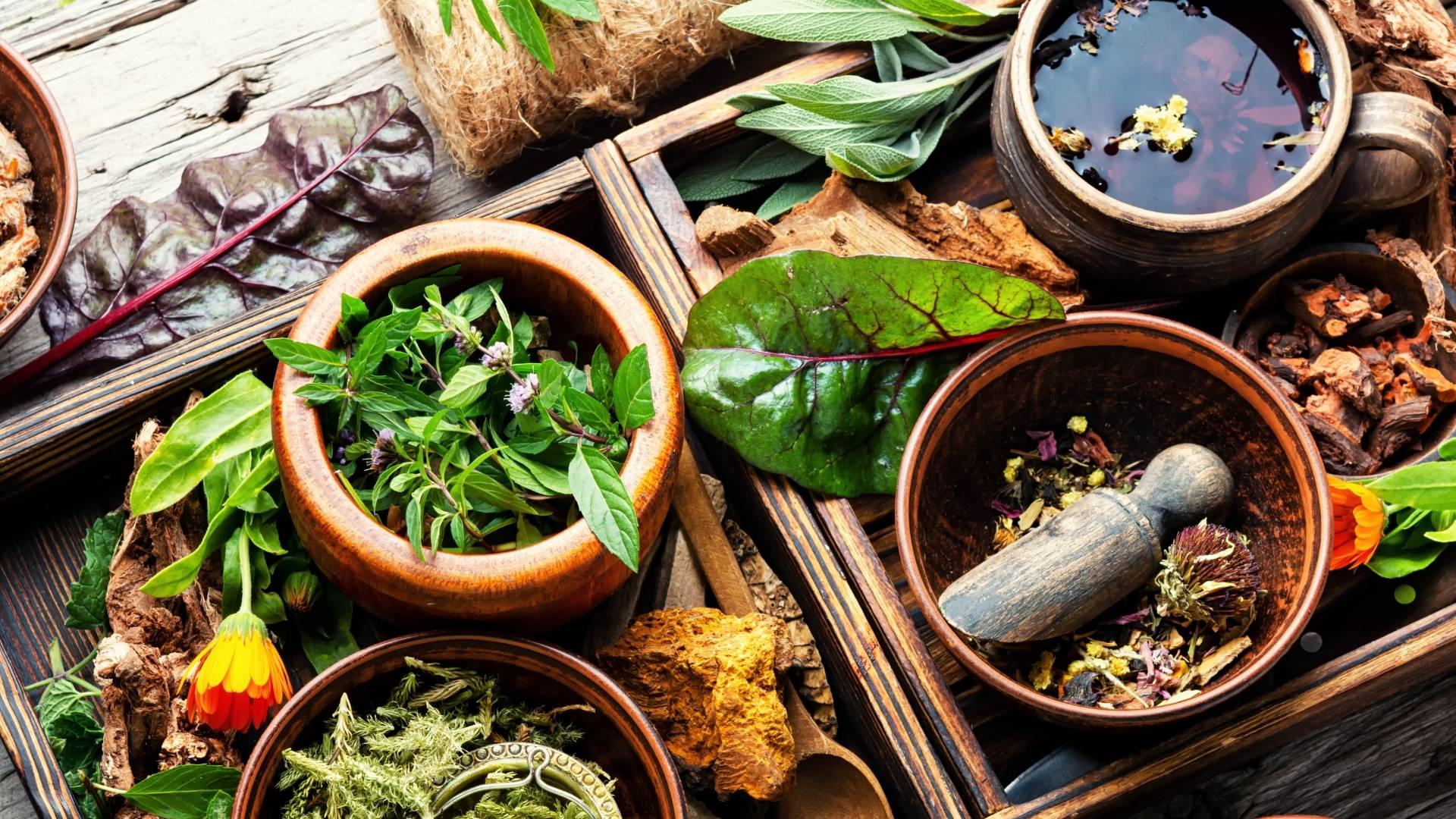
Researchers are studying natural ingredients to see whether they can influence the body’s GLP-1 hormone or metabolism. Some supplements and foods have shown mild effects, but none have matched the results seen with prescription medications.
Examples of natural ingredients currently being studied include:
- Cinnamon
- Green tea extract
- Berberine
- Ginger
- Caffeine
- Capsaicin
These ingredients may help support metabolism or slightly influence hunger signals. However, current research suggests their effects are only modest, especially when compared to medications like GLP-1 receptor agonists.
In other words, they may support health, but they do not replace prescription therapy.
Safety Matters: Natural Doesn’t Always Mean Risk-Free
Before trying supplements advertised as natural GLP-1 alternatives, it’s important to understand potential risks.
Things to consider include:
- Supplements are not regulated like prescription medications
- Some products may contain inconsistent ingredients or doses
- Herbal supplements may interact with medications, including diabetes medications
- Certain supplements may affect kidney or liver function
- Claims made online are not always backed by strong scientific evidence or any evidence at all
For people living with diabetes, kidney disease, or other chronic conditions, starting supplements without medical guidance may create unexpected complications.
Always discuss supplements with your healthcare provider before starting them.
What Actually Helps Support Healthy GLP-1 Function
While herbals alone cannot mimic GLP-1 medications, certain healthy habits can support appetite control and metabolism.
Helpful strategies include:
- Eating balanced meals that include protein, healthy fat, and fiber
- Choosing whole, minimally processed foods
- Drinking water regularly throughout the day
- Staying physically active
- Following medication plans as prescribed
- Working with a healthcare team to personalize a treatment that works for you
These steps help support long-term health and may improve how your body responds to hunger and fullness signals.
Summary
There is growing interest in natural GLP-1 alternatives, but current research shows that no herbal supplement can fully mimic medications like Ozempic or Mounjaro. Some foods and natural compounds may support metabolism or fullness, but their effects are generally mild. The safest and most effective approach combines medical treatment, balanced nutrition, and healthy lifestyle habits to support lasting diabetes and weight management success.