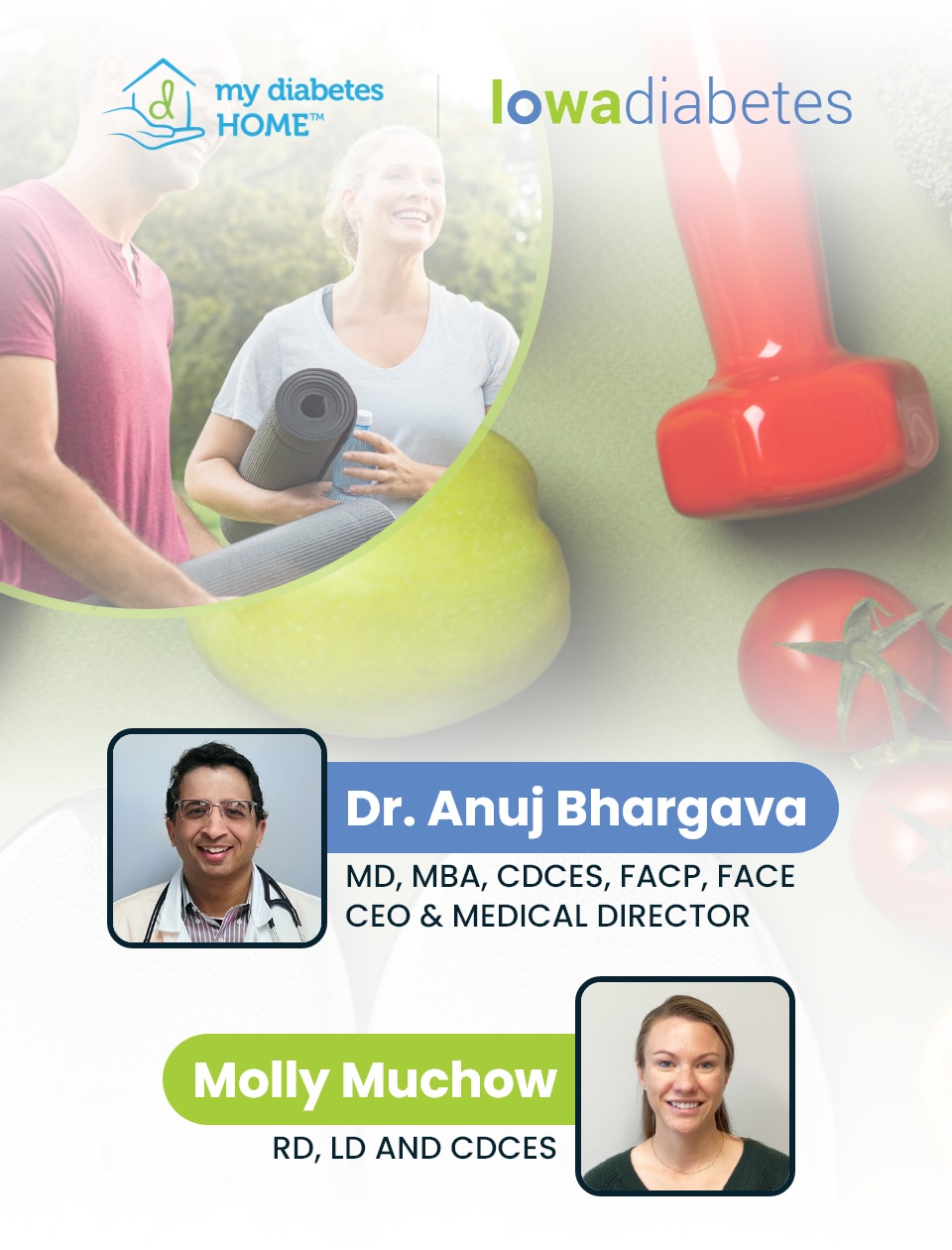
Just Diagnosed? Your Type 1 Diabetes Survival Guide
You may feel overwhelmed right now, but you don’t have to figure everything out today.
A diagnosis of type 1 diabetes can bring a mix of emotions, fear, confusion, sadness, or even disbelief. Whether the diagnosis came suddenly or after weeks of symptoms, it’s normal to wonder what this means for your life and what to do next. The good news is that with the right tools, education, and support, people of all ages live full, meaningful lives with type 1 diabetes, and you can too.
Understanding Your Diagnosis
Type 1 diabetes can develop at any age, in children, teens, or adults. It is not caused by food choices or lifestyle habits. Instead, it is an autoimmune condition, meaning the body mistakenly attacks the insulin-producing cells in the pancreas.
Insulin is essential; it acts like a key that allows sugar (glucose) to move from the bloodstream into your body’s cells for energy. Without insulin, blood sugar rises, which is why people with type 1 diabetes must take insulin every day.
While there is currently no cure for type 1 diabetes, treatment options and technology continue to improve, and people with type 1 diabetes are living longer, healthier lives than ever before.
The First Steps After Diagnosis
Right now, it may feel like there’s a lot to learn. That’s okay. You are not expected to know everything at once. Your health care team will help guide you step by step.
Early learning often focuses on:
- How to take insulin safely
- How and when to check blood sugar
- Understanding your personal blood sugar targets
- Recognizing signs of low and high blood sugars and how to treat them
With time and practice, these skills become more familiar and manageable.
Managing Blood Sugars Day to Day
Checking and understanding your blood sugar is a key part of living with type 1 diabetes. Many people focus on time in range, which looks at how often blood sugar stays within a healthy target throughout the day.
Important blood sugar concepts to know:
- Low blood sugar (hypoglycemia): Needs quick treatment
- High blood sugar (hyperglycemia): May require insulin or plan adjustments
- Diabetic ketoacidosis (DKA): A serious medical emergency that requires immediate care
Keeping blood sugar steady doesn’t just protect your long-term health; it can also help you feel better day to day, with more energy, better sleep, and improved focus.
Technology Can Help
Diabetes technology has made daily care easier and safer for many people.
Common tools include:
- Continuous glucose monitors (CGMs) for real-time glucose tracking
- Insulin pens or pumps for more precise insulin delivery
With proper training, these tools can reduce blood sugar swings and help you spend more time in range.
⚕️Build Your Diabetes Care Team
You don’t have to manage type 1 diabetes on your own. A strong care team supports both your physical and emotional health.
Your team may include:
- Primary care provider
- Endocrinologist
- Diabetes care and education specialist
- Registered dietitian
- Pharmacist
- Eye and foot specialists
One of the most important steps you can take is enrolling in Diabetes Self-Management Education and Support (DSMES). DSMES programs help you learn how to balance insulin, food, activity, and stress, and give you practical tools for real-life problem solving.
Iowa-Specific Support and Resources
If you live in Iowa, there are local resources available to support you after a type 1 diabetes diagnosis:
- Iowa Diabetes – Education, advocacy, and support services for people living with diabetes across Iowa
- Accredited DSMES Programs – Available through many Iowa hospitals and clinics; ask your provider for a referral
- Local support groups – Many communities offer in-person or virtual diabetes support groups
Connecting with local care teams and educators can make diabetes feel less overwhelming and more manageable.
Finding Support and Moving Forward
Living with type 1 diabetes is a daily responsibility, but you don’t have to carry it alone. Support from family, friends, and others who understand diabetes can make a meaningful difference.
Helpful support options include:
- Involving family or caregivers in education visits
- Participating in DSMES programs
- Connecting with peer or community support groups
With time, education, and support, diabetes care becomes part of your routine, not the center of your life.
Summary
A type 1 diabetes diagnosis is life-changing, but it is also the beginning of learning how to care for yourself with confidence. With insulin therapy, blood sugar monitoring, diabetes education, and strong support, people with type 1 diabetes can live healthy, fulfilling lives. Take things one step at a time, and remember: you are not alone.