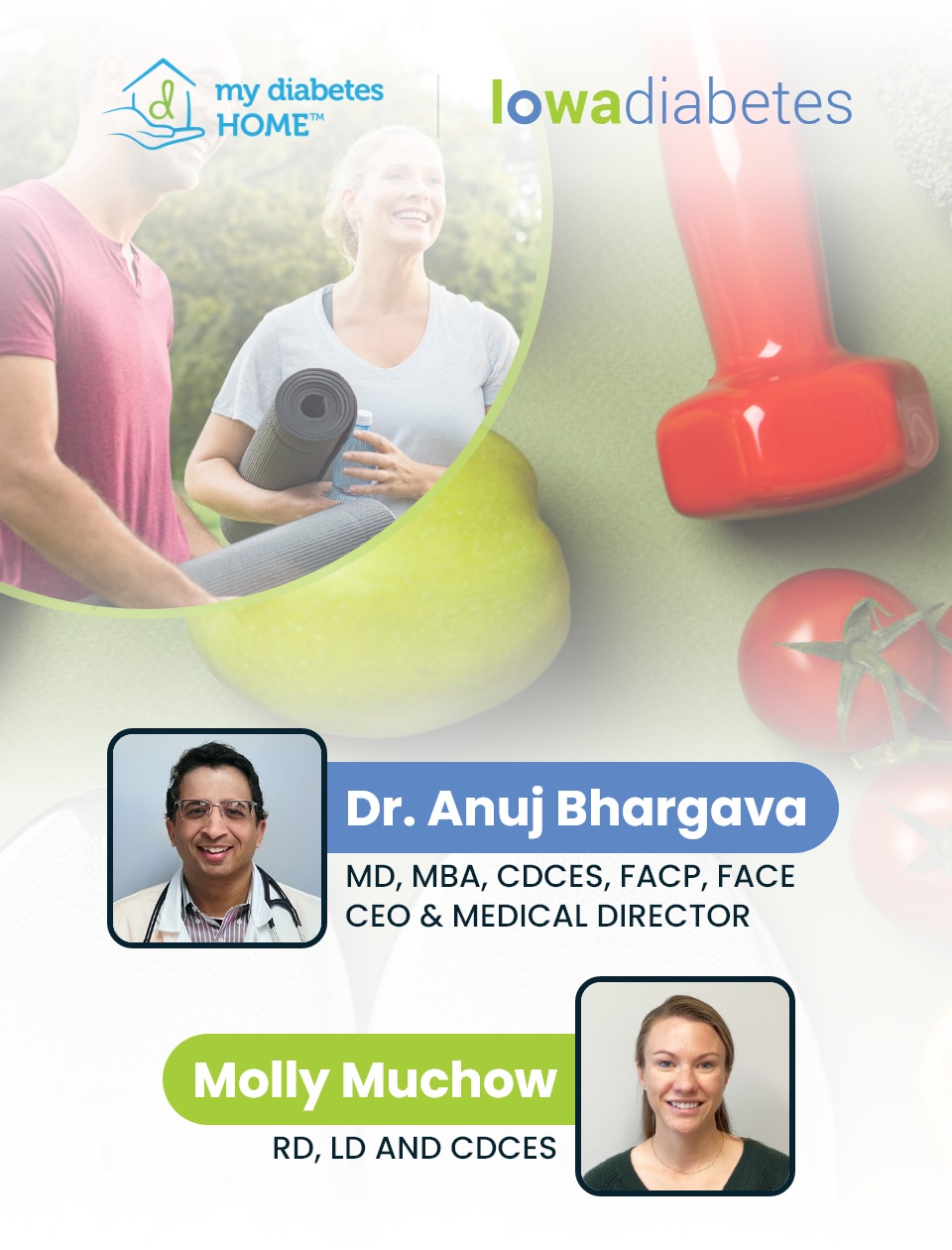
5 ADA 2026 Diabetes Care Updates You Should Know
Every year, diabetes care gets a little smarter, more personalized, and more focused on what can make everyday life easier for people living with…
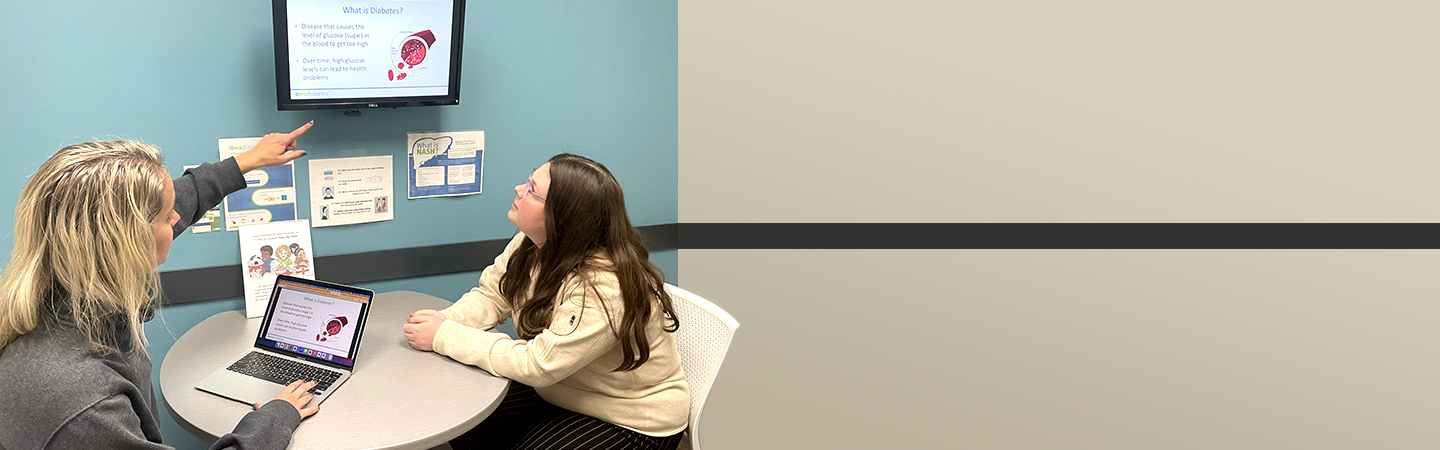
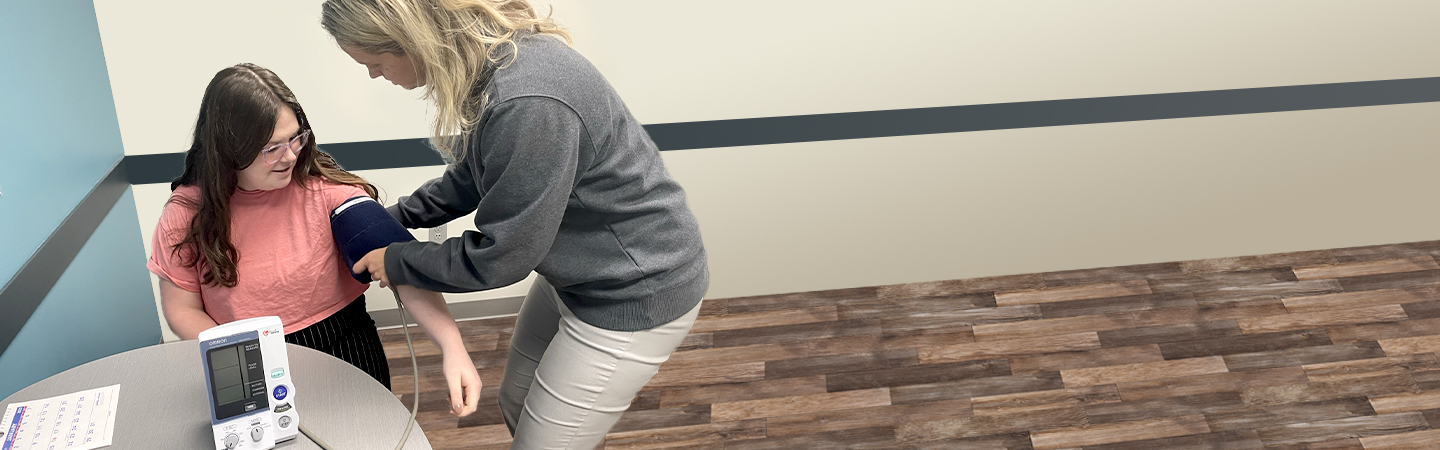
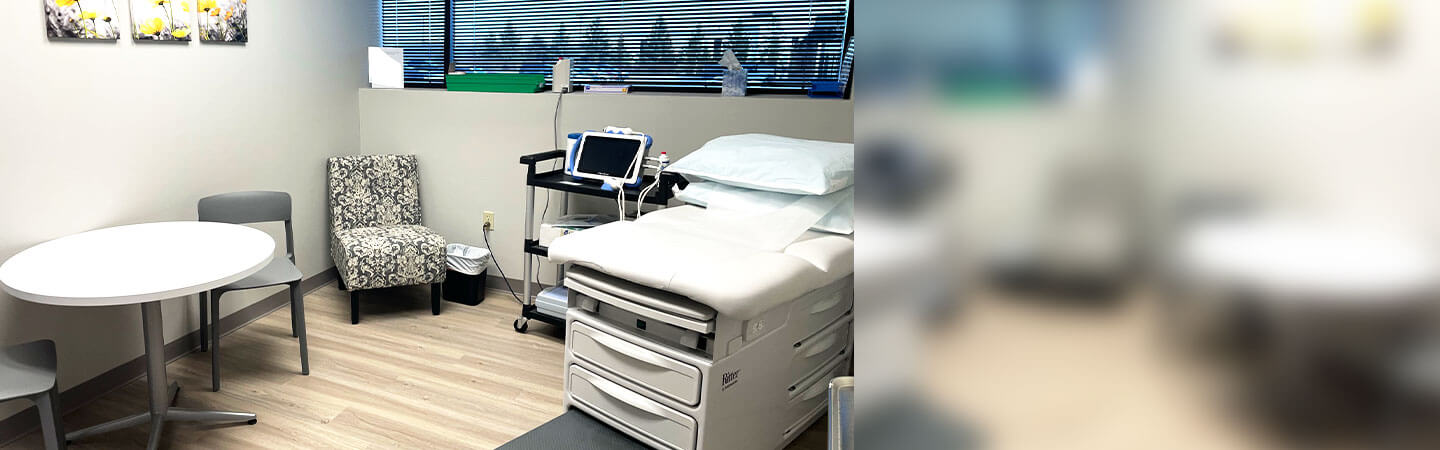

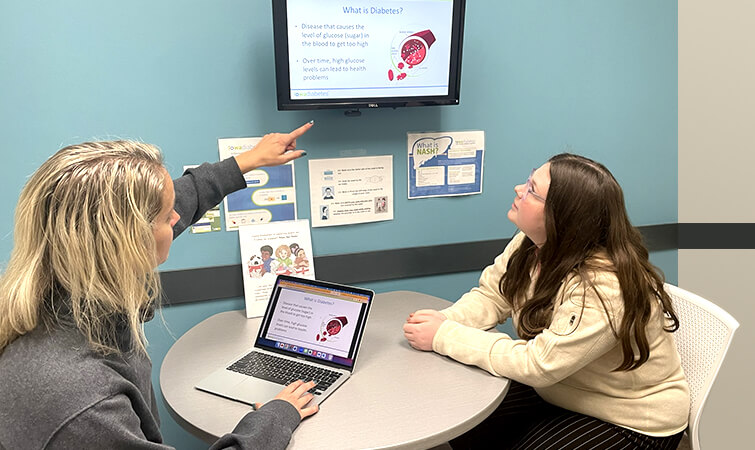
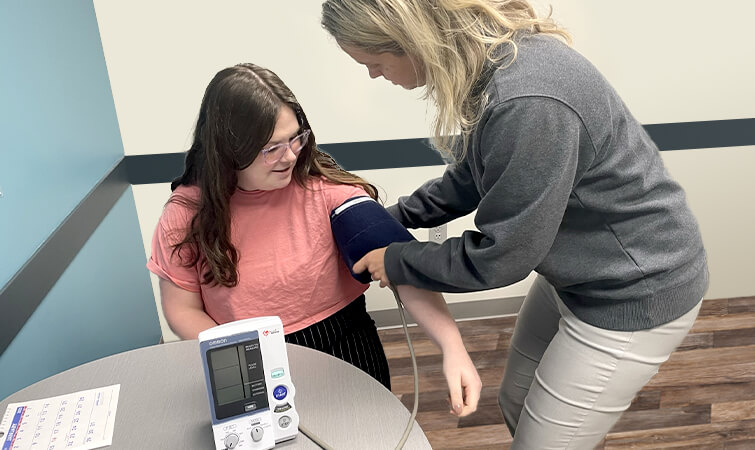
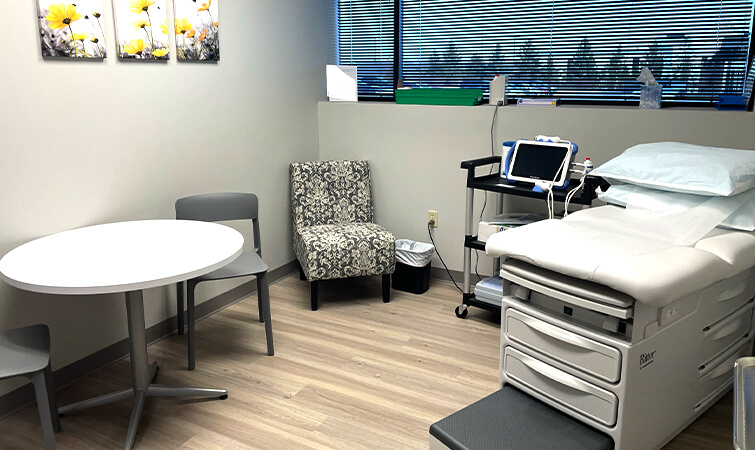
We at Iowa Diabetes are here to support you in every step of your diabetes journey through Research, Education, Clinical Care, and Technology.

Join a research study with us to access new diabetes medications and expert care!
Learn More
Transform your diabetes care with the help of our team-based, technology-driven approach.
Learn More
Focused, flexible, and fun educational programs to help you manage diabetes better.
Learn More100+
years of medical expertise
230+
clinical trials
2500+
Iowans served
2500+
Iowans served

Iowa Diabetes was founded by Anuj Bhargava (MD, MBA, CDCES, FACP, FACE) who has been pursuing the vision to change the future of diabetes through clinical research, education, and technology since 1994.
Take the first step towards having your own dedicated diabetes support team:
1
Connect with our experts
Help us understand your specific goals & challenges with diabetes.
2
We will guide you towards a care option that’s right for you.
Our team will suggest & discuss solutions to help you manage your diabetes better.
3
Access your own support team & live your best life with diabetes
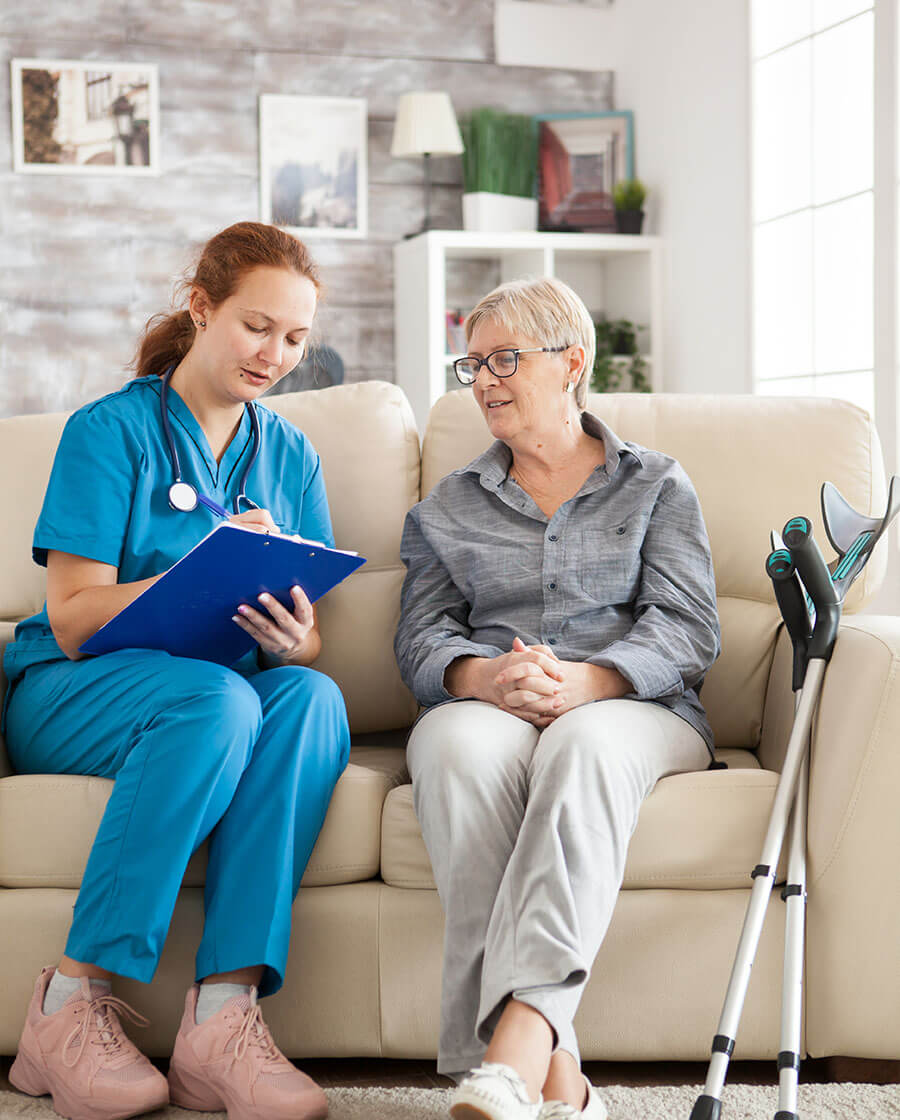
Our fun and caring team of diabetes experts help you navigate your diabetes journey at each step.
Carla
West Des Moines

“I came in with an A1c of 11.4% and now it’s down to 7.4% in just 3 months, thanks to the team at Iowa Diabetes. My provider has been very considerate in helping me figure out my correct insulin dosing, which has helped me gain better control of my diabetes.”
( Google Review ⭐⭐⭐⭐⭐ )
Callie Doohen
Iowa
“I was lucky enough to be a part of a study done at Iowa Diabetes, and it was a wonderful experience! The staff was so welcoming and accommodating. It was a professional yet fun environment, and I received excellent compensation too!”
( Google Review ⭐⭐⭐⭐⭐ )
Jordan Bohr
Iowa
“I’ve participated in two research studies with Iowa Diabetes, and can’t praise them enough! The team is lovely and goes out of its way to make sure patients are comfortable, informed, and supported throughout the extent of their research studies. Patients will likely work most closely with clinical research coordinators, but the entire staff is wonderful.”
( Google Review ⭐⭐⭐⭐⭐ )
Jody Leventhal
Iowa
“The people who work here are all awesome!! Because of their help, I was able to drop my A1c from 9.8 to 7.8 in 3 months. Everyone here is non-judgmental, and just wants to help you!”
( Google Review ⭐⭐⭐⭐⭐ )
Noreen Tonkin
Iowa
“Outstanding, saved my life! If I could, I would give them 25 stars!! The portal is one of the best I have ever interacted with. The staff and Dr. B are kind, caring, and concerned for our best health. When I couldn’t get anyone to help in the CR area, Dr. B. came to my rescue. Thank you from the bottom of my heart.”
( Google Review ⭐⭐⭐⭐⭐ )
B.J. Person
Iowa
“I participated in a study. The staff was extremely nice! Marcy, Kris, Kourtney, Erin, and Vicky were knowledgeable, sincere, and patient. When they ran into an IV issue they did not get stressed they worked through it. They made the time fly and the experience fun. They were very concerned and kept offering drinks and snacks. They took a true interest in me and I appreciate it. Hope to be able to participate in more.”
( Google Review ⭐⭐⭐⭐⭐ )
Trisha Elliot
Iowa
“I’ve had nothing but great experiences with Iowa Diabetes! The online zoom classes were super informative and helpful. I felt as if I was downing in confusion and scared. Those classes explained what Diabetes is, how it works, and how to successfully live with it. There are plenty of people to talk to and they are always available to give advice. I have recently visited the clinic for care. It was very positive and they made me feel really cared for. I recommend Iowa Diabetes to everyone!”
( Google Review ⭐⭐⭐⭐⭐ )
Anthony
Maintenance Technician , West Des Moines, IA
“I heard about Iowa Diabetes on Facebook. Everybody here is great! I went from 14.4 A1C to 8.5 in less than a month. This is the lowest my A1C has been in probably five years.”
Carla
West Des Moines
“I came in with an A1c of 11.4% and now it’s down to 7.4% in just 3 months, thanks to the team at Iowa Diabetes. My provider has been very considerate in helping me figure out my correct insulin dosing, which has helped me gain better control of my diabetes.”
( Google Review ⭐⭐⭐⭐⭐ )
Callie Doohen
Iowa
“I was lucky enough to be a part of a study done at Iowa Diabetes, and it was a wonderful experience! The staff was so welcoming and accommodating. It was a professional yet fun environment, and I received excellent compensation too!”
( Google Review ⭐⭐⭐⭐⭐ )
Jordan Bohr
Iowa
“I’ve participated in two research studies with Iowa Diabetes, and can’t praise them enough! The team is lovely and goes out of its way to make sure patients are comfortable, informed, and supported throughout the extent of their research studies. Patients will likely work most closely with clinical research coordinators, but the entire staff is wonderful.”
( Google Review ⭐⭐⭐⭐⭐ )
Jody Leventhal
Iowa
“The people who work here are all awesome!! Because of their help, I was able to drop my A1c from 9.8 to 7.8 in 3 months. Everyone here is non-judgmental, and just wants to help you!”
( Google Review ⭐⭐⭐⭐⭐ )
Noreen Tonkin
Iowa
“Outstanding, saved my life! If I could, I would give them 25 stars!! The portal is one of the best I have ever interacted with. The staff and Dr. B are kind, caring, and concerned for our best health. When I couldn’t get anyone to help in the CR area, Dr. B. came to my rescue. Thank you from the bottom of my heart.”
( Google Review ⭐⭐⭐⭐⭐ )
B.J. Person
Iowa
“I participated in a study. The staff was extremely nice! Marcy, Kris, Kourtney, Erin, and Vicky were knowledgeable, sincere, and patient. When they ran into an IV issue they did not get stressed they worked through it. They made the time fly and the experience fun. They were very concerned and kept offering drinks and snacks. They took a true interest in me and I appreciate it. Hope to be able to participate in more.”
( Google Review ⭐⭐⭐⭐⭐ )
Trisha Elliot
Iowa
“I’ve had nothing but great experiences with Iowa Diabetes! The online zoom classes were super informative and helpful. I felt as if I was downing in confusion and scared. Those classes explained what Diabetes is, how it works, and how to successfully live with it. There are plenty of people to talk to and they are always available to give advice. I have recently visited the clinic for care. It was very positive and they made me feel really cared for. I recommend Iowa Diabetes to everyone!”
( Google Review ⭐⭐⭐⭐⭐ )
Anthony
Maintenance Technician , West Des Moines, IA
“I heard about Iowa Diabetes on Facebook. Everybody here is great! I went from 14.4 A1C to 8.5 in less than a month. This is the lowest my A1C has been in probably five years.”

Every year, diabetes care gets a little smarter, more personalized, and more focused on what can make everyday life easier for people living with…

If CAVA is one of your favorite spots to dine in, here’s our little guide to help you amp up the flavor while being…

GLP-1 medications are currently the talk of the town. If you live with type 2 diabetes, you've probably heard a lot about these and…
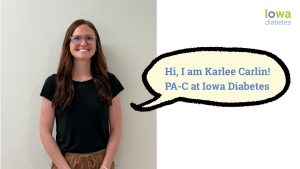
In early May, we welcomed Karlee to our team as a study sub-investigator and clinic care provider. We’re grateful she’s here and are happy…

Just because something is natural does not always mean it works the same or that it is safer than a medication. A lot of…
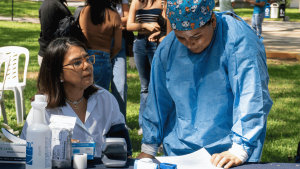
If you’re looking for us at the Breakthrough T1D Walk on Saturday, May 9th, follow the bubbles and look for beachballs! In addition to…

You may feel overwhelmed right now, but you don’t have to figure everything out today. A diagnosis of type 1 diabetes can bring a…

Taking care of your skin is another way to take care of your diabetes. Discover just how important skin care is to diabetes care…

Managing diabetes care works best when it’s a true partnership. This is why you are the most important member of your own care team.…
Every year, diabetes care gets a little smarter, more personalized, and more focused on what can make everyday life easier for people living with…
If CAVA is one of your favorite spots to dine in, here’s our little guide to help you amp up the flavor while being…
GLP-1 medications are currently the talk of the town. If you live with type 2 diabetes, you've probably heard a lot about these and…
In early May, we welcomed Karlee to our team as a study sub-investigator and clinic care provider. We’re grateful she’s here and are happy…
Just because something is natural does not always mean it works the same or that it is safer than a medication. A lot of…
If you’re looking for us at the Breakthrough T1D Walk on Saturday, May 9th, follow the bubbles and look for beachballs! In addition to…
You may feel overwhelmed right now, but you don’t have to figure everything out today. A diagnosis of type 1 diabetes can bring a…
Taking care of your skin is another way to take care of your diabetes. Discover just how important skin care is to diabetes care…
Managing diabetes care works best when it’s a true partnership. This is why you are the most important member of your own care team.…